Essential Tips for Effective Commercial Product Packaging?
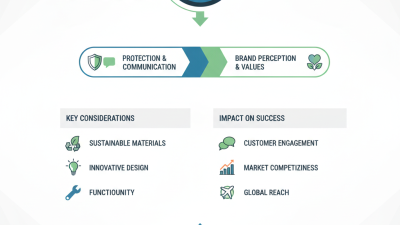
In today's competitive marketplace, effective commercial product packaging plays a crucial role in brand success. Packaging not only protects the product but also serves as a marketing tool that communicates the brand's identity. A well-designed package can attract consumers' attention and influence their purchasing decisions. It's essential to understand that packaging must reflect the values and quality of the product inside.
Moreover, commercial product packaging needs to balance functionality and aesthetics. It should be user-friendly, easy to open, and sustainable. Consumers increasingly prefer brands that show environmental responsibility. Therefore, using eco-friendly materials can make a product stand out. However, companies sometimes overlook this aspect, risking customer trust.
Attention to detail matters. Small imperfections in packaging can lead to negative perceptions. For instance, a torn label or unclear text may indicate poor quality. Therefore, investing in professional design and quality assurance processes is essential. Ultimately, the right commercial product packaging can enhance brand loyalty and drive sales. Recognizing and addressing these challenges is key to developing successful packaging strategies.

Understanding the Importance of Product Packaging in Commerce
Product packaging plays a crucial role in the commercial landscape. Effective packaging influences consumer perception and purchasing decisions. According to a study by WestRock, around 72% of consumers say that packaging design influences their purchase decision. This statistic underscores the necessity for brands to consider not just functionality but also aesthetic appeal. Packaging needs to stand out to attract attention in a crowded marketplace.
The materials and sustainability of packaging are also pivotal. A recent survey revealed that 67% of consumers are more likely to purchase products in sustainable packaging. This shift in consumer preference reflects a growing awareness of environmental issues. However, many companies struggle to balance sustainability with cost-effectiveness. Choosing eco-friendly materials without compromising quality can be challenging.
Packaging is not just about protection; it's a narrative. Every element should express the brand's identity and values. Yet, brands often underestimate this aspect. Simple designs may lack impact, while overly complex packaging can confuse consumers. It reveals a need for a more thoughtful approach in commercial product packaging. Focusing on clarity, functionality, and environmental responsibility can lead to better consumer relationships and, ultimately, increased sales.
Key Elements of Effective Commercial Product Packaging
Effective commercial product packaging combines creativity and functionality. Design should align with the brand's identity and target audience. Eye-catching colors and shapes attract attention on crowded shelves. Packaging materials should protect the product while being eco-friendly. Sustainable options are becoming increasingly important to consumers.
Clarity in information is essential. Labels must be easy to read, with legible fonts and clear descriptions. Misleading packaging can harm credibility. Consider the unboxing experience as well; it should be memorable. Infusing a bit of surprise can enhance customer satisfaction.
Reflecting on the design process reveals room for improvement. Regular feedback from focus groups can guide better decisions. Sometimes, initial concepts fail to resonate with consumers. Learning from these experiences is vital for long-term success. Always be willing to adapt and innovate; stagnation can lead to missed opportunities.
Designing Packaging for Maximum Consumer Appeal
When designing packaging for consumer appeal, color plays a crucial role. Research indicates that around 85% of consumers make purchasing decisions based on color alone. Bright hues often draw the eye, while muted tones can suggest sophistication. In certain studies, brands have reported a 30% increase in sales when they revamped their color palette.
Shape and texture matter too. Unique shapes can make products stand out. For example, irregular or asymmetric designs can intrigue consumers. A textured surface adds an element of touch, engaging another sense. Packaging that feels luxurious can increase perceived value. In fact, over 60% of buyers state that tactile elements influence their perception of quality. However, the balance between innovation and practicality is vital.
Clarity in messaging enhances consumer understanding. Clear information leads to trust. A Nielsen study shows that 61% of consumers feel overwhelmed by complicated packaging information. Simplicity can cut through the noise. Yet, many brands still struggle to convey their message effectively. They must find a balance between creativity and clarity for better consumer connection. Finding that balance can be challenging but is essential for success.
Sustainable Packaging Solutions for Modern Products
Sustainable packaging has become a crucial focus for modern products. Consumers are more aware of environmental issues. They prefer brands that prioritize eco-friendly solutions. Paper, biodegradable plastics, and recycled materials are leading the way. These options reduce waste and lower carbon footprints.
Many businesses are still hesitant about making the switch. The perception that sustainable materials are less durable can be a barrier. However, innovation in this field has proven otherwise. Companies are finding ways to create strong and functional packaging using sustainable materials. This evolution in packaging not only satisfies consumers but also enhances brand reputation.
Investing in sustainable packaging can be cost-effective in the long run. Businesses that adopt green practices often see increased customer loyalty. There are challenges to consider. Transitioning may require adjustments in manufacturing processes. It's important to evaluate the supply chain closely. Finding reliable sources of sustainable materials can be a trial-and-error process. However, the benefits of creating a positive environmental impact are undeniable.
Regulatory Considerations in Product Packaging Compliance
Regulatory considerations in product packaging compliance are crucial for businesses. Adhering to regulations ensures that products reach consumers safely. Many companies overlook these requirements, leading to costly recalls and fines. Each region has specific rules that affect labeling, safety standards, and ingredient disclosures. For instance, certain materials may be banned due to environmental concerns.
It is essential to conduct thorough research on local and international regulations. Packaging that meets compliance guidelines builds consumer trust. Missteps can damage brand integrity. Keep in mind that updates in regulations occur frequently. Regularly review your packaging to remain compliant.
Businesses should consider consulting with experts in regulatory affairs. They can provide invaluable insights into best practices. Building a relationship with regulatory agencies can also enhance understanding. While compliance may seem daunting, investing time in proper packaging can prevent major issues down the line.